 First Floor, Plot No. 26, Industrial Area Phase 2, Panchkula, Haryana 134109, India
.png)
 +91-9454282246
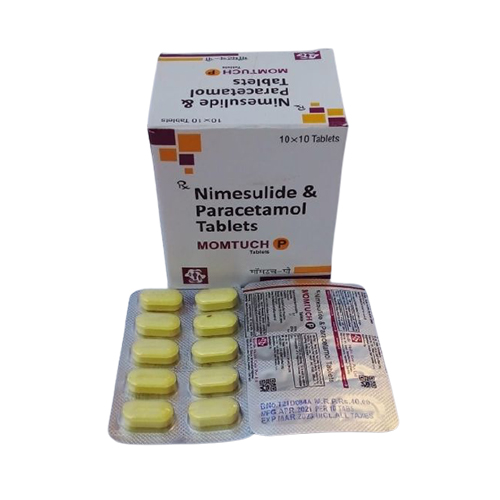
Composition : NIMESULIDE 100MG + PARACETAMOL 325MG TAB
Packing : BLISTER
Price : Rs. .
Quick EnquiryNimesulide 100 mg and Paracetamol 325 mg Tablets combine two analgesic and antipyretic agents to provide effective management of acute pain and inflammation. This combination enhances overall efficacy, offering synergistic relief in conditions such as musculoskeletal pain, dental pain, dysmenorrhea, and post-operative discomfort.
It is generally prescribed for short-term use under medical supervision to minimise potential gastrointestinal and hepatic risks. Call Bendic Healthcare for all third-party influences and manufacturing deals. They have offered a great deal of high-quality services for a long time now.
Constituents of Nimesulide 100mg and Paracetamol 325 mg tablets
Nimesulide (100 mg): A non-steroidal anti-inflammatory drug (NSAID) that acts as an analgesic (pain reliever) and antipyretic (fever reducer). Nimesulide works by blocking the production of prostaglandins, which are chemicals responsible for causing pain, swelling, and inflammation.
Paracetamol (325 mg): Also known as acetaminophen, it is a centrally-acting analgesic and antipyretic. Paracetamol works by inhibiting prostaglandin synthesis in the brain, helping to reduce fever and pain sensation.
Uses of Nimesulide 100mg and Paracetamol 325 mg tablets
Pain relief: This medication provides relief from mild to moderate pain caused by Headaches and migraines, Dental pain, Muscle and joint aches, Back pain, Menstrual cramps (dysmenorrhea)
Inflammation: Nimesulide is a nonsteroidal anti-inflammatory drug (NSAID) that reduces swelling and inflammation associated with conditions like Rheumatoid arthritis, Osteoarthritis, and Ankylosing spondylitis.
Fever reduction: Paracetamol is an antipyretic that helps to lower a high temperature.
Post-operative pain: It can be prescribed to manage pain and inflammation after surgical procedures
Partner with Bendic Healthcare for PCD Franchise for Nimesulide 100mg and Paracetamol 325 mg tablets
Bendic Health Care Pvt. Ltd. is making its way to the top of the Indian Best Pharmaceutical companies by offering the pharma range at a very affordable price. Here at Bendic, we have the best manufacturing facility in the state with the best professional team. Also, we are not only competitive with the domestic companies but also internationally. Bendic Health Care has a Quality Assurance and Quality Control facility in our manufacturing unit. Moreover, we followed industrial norms and regulations at the global level for the premium quality pharma range.We are dealing with different categories of pharma right now, such as Derma, Gynae, ENT Range, Cardiac Diabetic, Ophthalmic, Dental, Critical care products, Nutraceuticals, and many more. Coming to the services with an offering is the PCD Pharma Franchise. Our PCD Pharma Franchise Business Opportunity offers exclusive monopoly rights and unique perks. This business opportunity is available in PAN India at a very low investment with amazing high returns.
Important Precautions of Nimesulide 100mg and Paracetamol 325 mg tablets
- Do not use if allergic or have Liver disease.
- Stomach ulcers or bleeding.
- Heart and kidney issues.
- Pregnancy and breastfeeding.
- This combination is banned for children under 12 years of age.
Frequently Asked Questions
What is the purpose of combining Nimesulide 100 mg with Paracetamol 325 mg?
A: The combination leverages the strengths of both drugs. Nimesulide acts as a non-steroidal anti-inflammatory drug (NSAID) to relieve pain and inflammation, while Paracetamol provides analgesic (pain-relieving) and antipyretic (fever-reducing) effects. Together, they often work faster and more effectively than either alone.
Q: What conditions are these tablets commonly used for?
A: They are used for a variety of mild to moderate pain and fever conditions, such as headaches, dental pain, muscle or joint pain, menstrual cramps, back pain, arthritis (e.g., osteoarthritis, rheumatoid arthritis), and fever.
Q: What is the usual recommended dosage, and how should the tablets be taken?
A: Typically, one tablet may be taken twice a day (after meals) as prescribed by a doctor. It is usually recommended to swallow the tablet with a glass of water and avoid chewing or crushing it.
Q: Are there special precautions or contraindications for using this combination?
A: Yes. People with existing liver or kidney problems, gastric ulcers or bleeding disorders, or serious heart conditions should avoid or use with caution. It is also advised to avoid alcohol while taking the medicine, and one should not combine it with other NSAIDs or other drugs containing Paracetamol, unless directed by a doctor.
Q: What are the common and serious side effects to watch out for?
A: Common side effects may include nausea, vomiting, abdominal pain, loss of appetite, dizziness, skin rashes, and general tiredness. More serious — though rare — side effects include liver damage, kidney problems, and gastrointestinal issues such as ulcers or bleeding.
Q: Can this medicine be used for long-term pain or chronic conditions?
A: Generally, long-term use of this combination is not recommended because of increased risk of liver toxicity (from Nimesulide and Paracetamol) and other complications. For chronic conditions like arthritis, it may be used under strict medical supervision, but the duration should be limited.
Q: Is this combination safe for children, pregnant or breastfeeding women?
A: This combination is not recommended for children (especially under 12 years), and people with significant liver or kidney impairment. Pregnant or breastfeeding women should use it only under strict medical advice.
Q: What should a person do if they miss a dose or accidentally overdose?
A: If a dose is missed, they should follow their doctor’s instructions, but they should not double the next dose. In case of overdose or if severe side effects occur (e.g., signs of liver problems, severe stomach pain, allergic reactions), seek medical help immediately.